



Designing a Large Scale Chicken House with a 20,000 Capacity: A Comprehensive Guide
Time : 2025-06-25
As the demand for poultry products continues to rise globally, the need for efficient and large-scale chicken houses has become increasingly crucial. A 20,000 capacity chicken house is a significant investment that requires careful planning and consideration of various factors. This article aims to provide a comprehensive guide on designing a large-scale chicken house with a 20,000 capacity, focusing on the use of professional poultry equipment and ensuring the house is both practical and SEO-optimized.
Introduction to Large Scale Chicken Houses
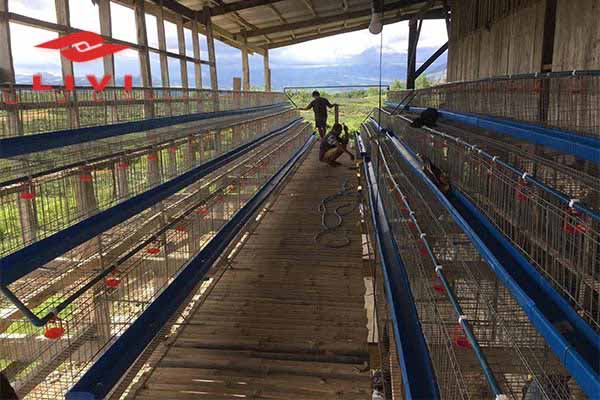
Large-scale chicken houses are designed to accommodate a high number of chickens, typically ranging from 10,000 to 50,000 or more. These houses are crucial for commercial poultry farming, as they allow for increased production and efficiency. A 20,000 capacity chicken house is a middle ground, offering a balance between scale and manageability.
Site Selection and Layout
The first step in designing a large-scale chicken house is selecting an appropriate site. The following factors should be considered:
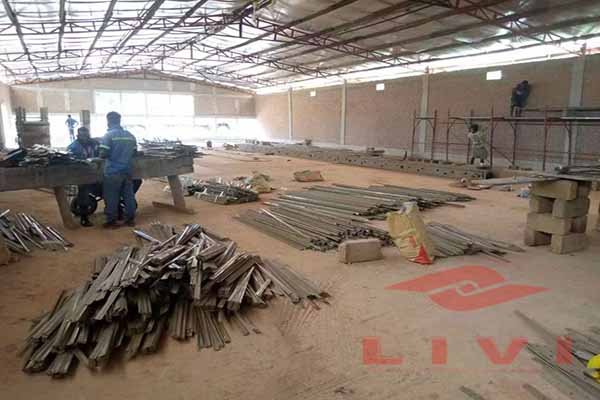
- Accessibility: The site should be easily accessible for the delivery of feed, equipment, and the collection of eggs or meat.
- Climate: The climate should be conducive to poultry farming, with adequate ventilation and temperature control.
- Water Supply: A reliable water supply is essential for drinking, cleaning, and sanitation.
- Soil Quality: The soil should be suitable for drainage and should not pose a risk of contamination.
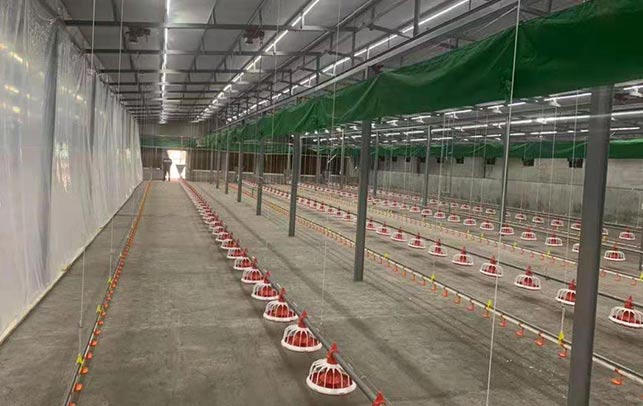
Once the site is selected, the layout of the chicken house should be designed to optimize space and facilitate the movement of chickens and workers. A typical layout for a 20,000 capacity chicken house includes:
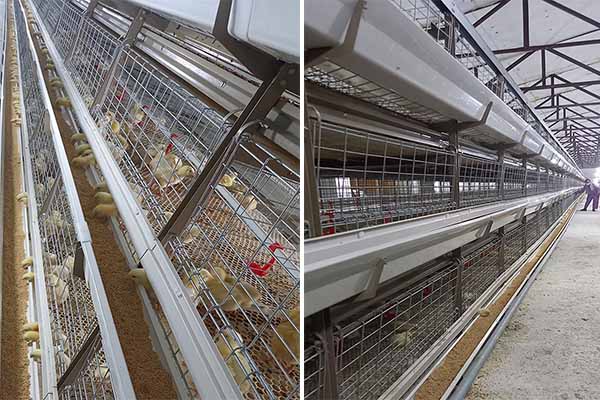
- Brooding Area: A designated area for young chicks to grow and develop.
- Growing Area: A larger area for chickens to grow to full size.
- Laying Area: A separate area for laying hens to produce eggs.
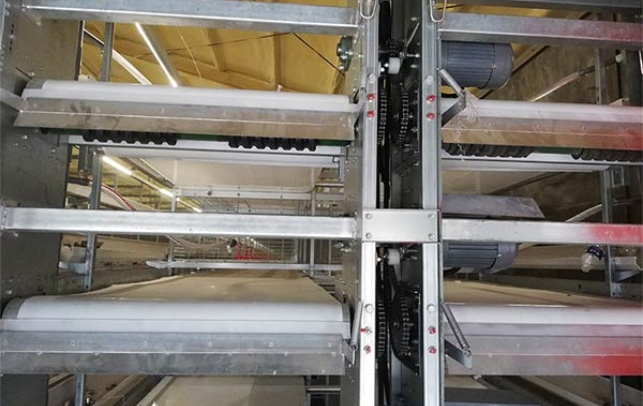
- Manure Removal System: A system for removing manure to maintain hygiene and reduce odor.
Structural Design
The structural design of a large-scale chicken house is critical for ensuring the safety and comfort of the chickens, as well as the longevity of the building. The following aspects should be considered:
- Roof Design: A sloped roof allows for effective ventilation and rainwater drainage.
- Wall Construction: Walls should be insulated to maintain a consistent temperature and protect against the elements.
- Windows and Ventilation: Proper ventilation is essential for air quality and temperature regulation.
- Flooring: A solid, non-slip surface is required to prevent injury to the chickens and facilitate manure removal.
Professional Poultry Equipment
The use of professional poultry equipment is essential for the success of a large-scale chicken house. The following equipment is commonly used:
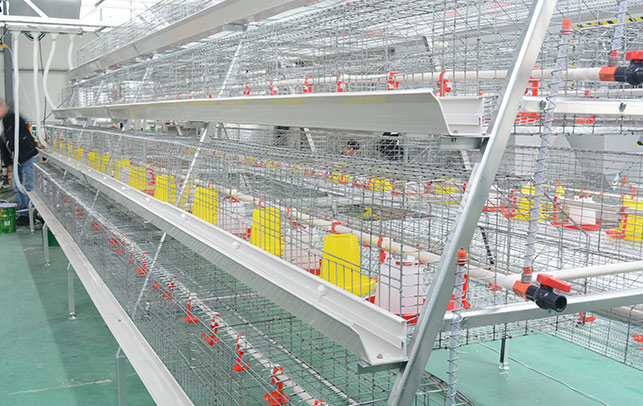
- Feeding Systems: Automated feeding systems ensure that chickens receive a consistent and balanced diet.
- Watering Systems: Automatic watering systems provide clean, fresh water to the chickens at all times.
- Environmental Control Systems: These systems regulate temperature, humidity, and air quality to create an optimal environment for the chickens.
- Manure Removal Systems: Automated systems for removing manure help maintain cleanliness and reduce the risk of disease.
- Monitoring Equipment: Sensors and cameras can be used to monitor the health and behavior of the chickens.
Health and Biosecurity Measures
Health and biosecurity are paramount in large-scale poultry farming. The following measures should be implemented:
- Regular Cleaning and Disinfection: Regular cleaning and disinfection of the chicken house and equipment help prevent the spread of disease.
- Staff Training: Employees should be trained in biosecurity protocols to minimize the risk of disease introduction.
- Isolation Areas: Designated areas for sick or isolated chickens can prevent the spread of disease to the rest of the flock.
Energy Efficiency and Sustainability
Energy efficiency and sustainability are increasingly important considerations in large-scale poultry farming. The following practices can be implemented:
- Solar Energy: Utilizing solar panels for electricity can reduce energy costs and environmental impact.
- Insulation: Proper insulation can reduce heating and cooling costs.
- Waste Management: Implementing a waste management system can reduce the environmental impact of manure and other by-products.
Conclusion
Designing a large-scale chicken house with a 20,000 capacity requires careful planning and consideration of various factors. By focusing on professional poultry equipment, health and biosecurity measures, energy efficiency, and sustainability, a successful and profitable operation can be achieved. This comprehensive guide provides a foundation for creating a high-quality, SEO-optimized article that will be valuable to anyone involved in large-scale poultry farming.