


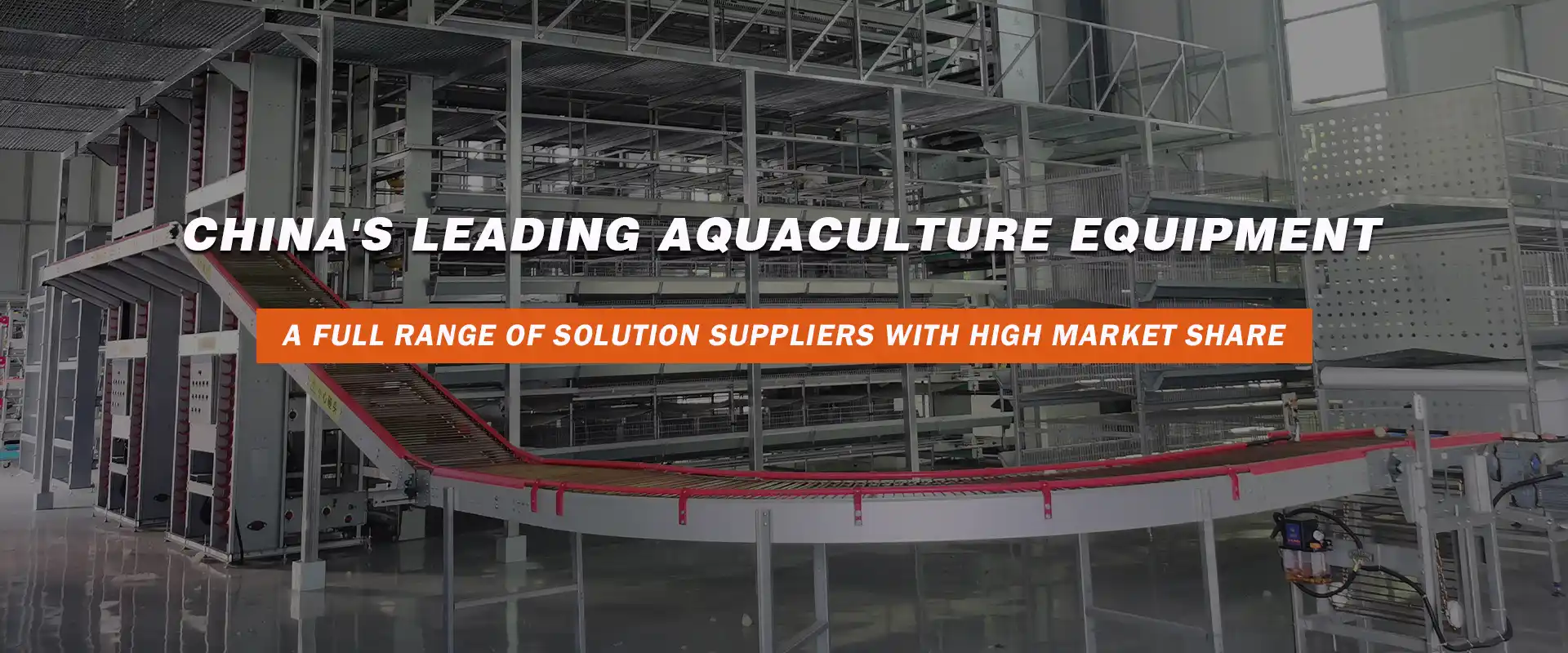

Designing a Large Scale Chicken House with a 20,000 Capacity: A Comprehensive Guide
Time : 2025-03-28
When it comes to poultry farming, one of the key factors to consider is the efficiency and scalability of the chicken house. If you’re looking to set up a large-scale operation with a capacity of 20,000 chickens, you’re in the right place. This article will delve into the essential aspects of designing and maintaining such a facility, ensuring that your farm operates smoothly and profitably.
Overview of a Large Scale Chicken House
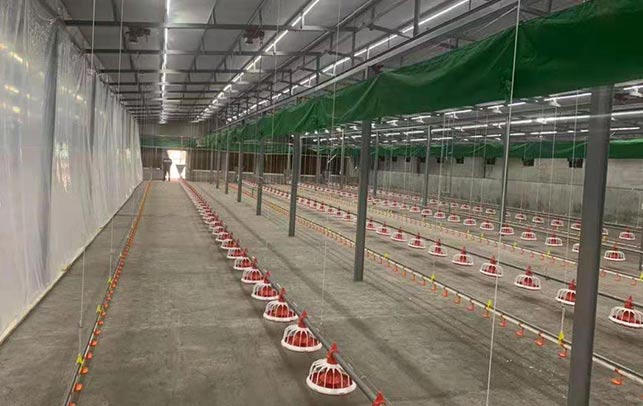
A large-scale chicken house, also known as a broiler house, is a specialized structure designed to house a significant number of chickens in a controlled environment. These houses are crucial for optimizing the growth and health of the birds, and they must be carefully planned and constructed to ensure they can accommodate 20,000 chickens comfortably.
1. Planning the Layout
The first step in designing a large-scale chicken house is to plan the layout. This involves several key considerations:
1.1 Floor Space
The floor space in a chicken house is critical for the birds to move around and access food and water. Aim for about 0.5 square meters per bird. For 20,000 chickens, you’ll need a total area of around 10,000 square meters.
1.2 Bird Placement
Chickens should be grouped based on age and size. Place younger birds closer to the feeders and waterers, as they require more frequent access to these resources.
1.3 Environmental Control
Maintain a constant temperature and humidity level in the house. Temperature should be around 35°C for the first two weeks, then gradually decrease by 1°C per week.
2. Building the Structure
Once you have the layout, it’s time to consider the structural aspects of the house:
2.1 Material
Choose materials that are durable, easy to clean, and resistant to corrosion. Steel, concrete, and insulated panels are common choices.
2.2 Ventilation
Good ventilation is crucial to maintain air quality and temperature. Install ventilation systems that can exchange air without allowing excessive heat loss or wind chill.
2.3 Light and Sound Control
Lighting systems should be designed to simulate natural daylight, promoting growth and health. Additionally, noise control is important to reduce stress on the chickens.
3. Equipment and Systems
Several key equipment and systems are essential for a large-scale chicken house:
3.1 Feeders and Waterers
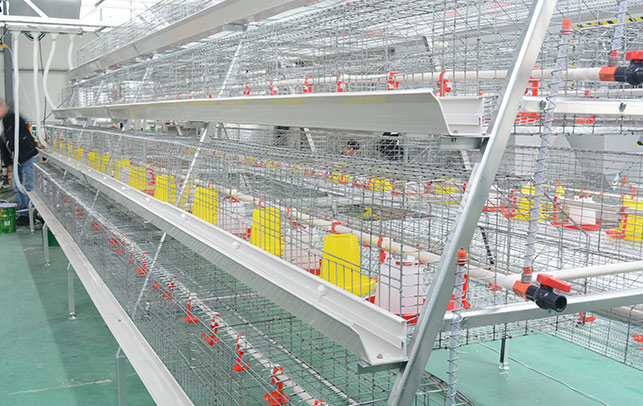
Automated feeders and waterers ensure consistent access to food and water for all birds.
3.2 Waste Management
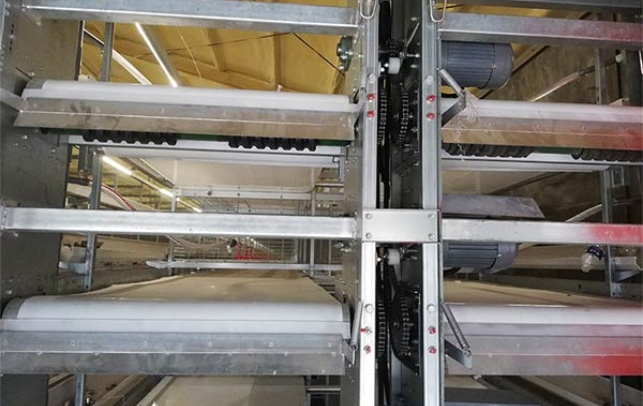
Efficient waste management is critical to prevent disease and maintain a clean environment. Consider systems like solid manure removal or litter bedding.
3.3 Climate Control
Climate control systems should be able to handle temperature fluctuations and humidity levels, ensuring optimal conditions for the chickens.
4. Farm Management
Managing a large-scale chicken house requires careful planning and attention to detail:
4.1 Health Monitoring
Regular health checks and disease prevention protocols are vital. Use tools like feather pecking detection systems to monitor and manage chicken behavior.
4.2 Training Staff
Ensure your staff is well-trained in the care and maintenance of the chickens and the equipment.
4.3 Record Keeping
Keep detailed records of feed, water, and other resources used, as well as any health issues or other significant events.
5. Benefits of a Large Scale Chicken House
A large-scale chicken house offers several advantages:
– Economic Efficiency: You can produce more chickens per unit of space, reducing costs.
– Sustainability: Large operations can make better use of resources and reduce waste.
– Consistency: The controlled environment ensures consistent growth and health.
6. Challenges and Solutions
Despite the benefits, large-scale chicken houses come with challenges:
– Complexity: Managing such a facility is complex and requires skilled staff.
– Costs: The initial setup cost can be high, but it can be offset by increased efficiency and economies of scale.
To overcome these challenges, focus on:
– Staff Training: Invest in comprehensive training programs for your staff.
– Cost-Effective Solutions: Look for affordable but high-quality equipment and materials.
Conclusion
Designing and maintaining a large-scale chicken house with a 20,000 capacity is a significant undertaking, but it can be a rewarding and profitable venture. By carefully planning the layout, choosing the right materials, investing in efficient systems, and managing the farm effectively, you can create a successful poultry operation.