



Designing a Large Scale Poultry Farm for 10,000 Layers: A Comprehensive Guide
Time : 2025-03-29
Designing a large scale poultry farm with the capacity to house 10,000 layers is a significant undertaking that requires careful planning and consideration of various factors. In this article, we’ll walk you through the essential elements to consider when designing such a facility. So, let’s dive right in and explore the intricacies of creating a thriving poultry farm.
1. Location, Location, Location
The first step in designing your large scale poultry farm is to choose the right location. Here are a few things to keep in mind:
– Proximity to Markets: Being close to markets or distribution centers can reduce transportation costs and ensure freshness.
– Availability of Water: Adequate water supply is crucial for the operation of the farm. Ensure that the location has a reliable source of water.
– Zoning Laws: Check local zoning laws to ensure that a poultry farm is allowed in the area.
2. Farm Layout and Design
Once you have the location sorted, it’s time to plan the layout of your farm. Here are some key considerations:
– Building Structure: Design a structure that can withstand local weather conditions and provide adequate ventilation.
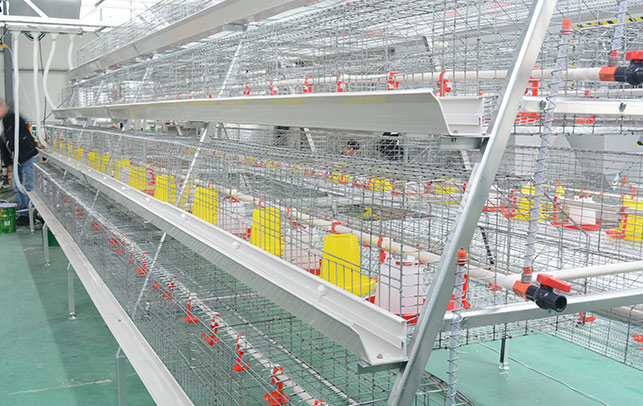
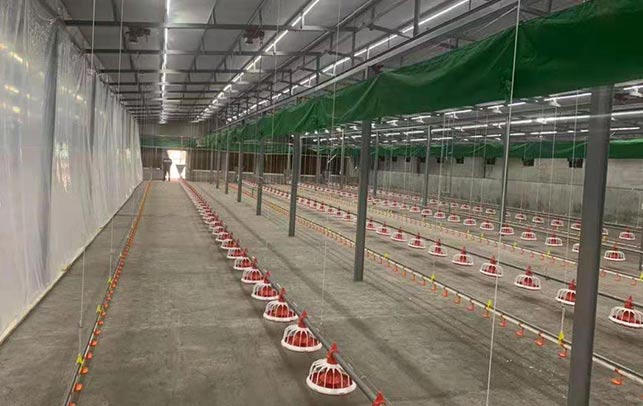
– Layer Houses: Allocate space for layer houses, keeping in mind the number of birds and the required space per bird.
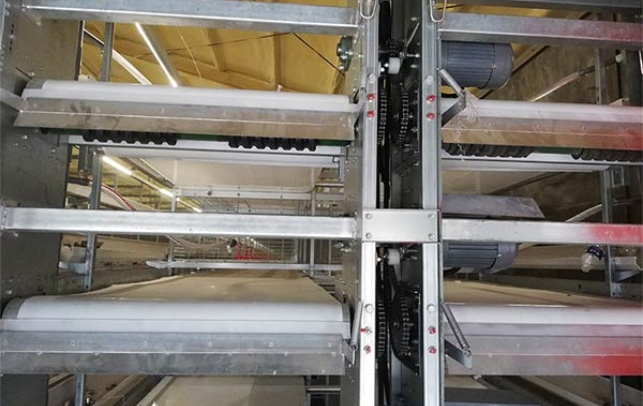
– Manure Management: Plan for an efficient manure management system to handle the waste produced by 10,000 layers.
3. Space Allocation for 10,000 Layers
To accommodate 10,000 layers, you’ll need to calculate the space required for each bird. Here’s a general guideline:
– Space per Bird: Aim for around 3-4 square feet per bird.
– Total Space Needed: For 10,000 layers, you’ll need approximately 30,000 to 40,000 square feet of space.
4. Ventilation and Climate Control
Proper ventilation is critical to maintain a healthy environment for your poultry. Consider the following:
– Natural Ventilation: Design your farm to allow natural airflow.
– Climate Control: Implement a climate control system to manage temperature and humidity levels.
5. Feed and Water Systems
Feeding and watering your birds efficiently is key to their health and productivity:
– Automatic Feeders: Invest in high-quality automatic feeders to ensure consistent feeding.
– Nipple Waterers: Use nipple waterers for easy access to clean water.
6. Health and Biosecurity Measures
To keep your poultry healthy, implement the following measures:
– Regular Health Checks: Conduct regular health checks and vaccinations.
– Biosecurity Protocol: Establish strict biosecurity protocols to prevent the introduction of diseases.
7. Energy Efficiency
Designing your farm to be energy-efficient can reduce operating costs:
– Insulation: Proper insulation can help maintain the desired temperature while reducing energy consumption.
– Solar Power: Consider using solar energy to power your farm’s electrical needs.
8. Waste Management
Efficient waste management is essential to prevent environmental pollution and health hazards:
– Composting: Implement a composting system to convert manure into organic fertilizer.
– Land Application: Apply the composted manure to nearby fields to enrich the soil.
9. Staffing and Training
Hiring the right staff and providing them with proper training is crucial for the success of your farm:
– Hiring: Look for experienced staff members who understand poultry farming.
– Training: Regularly train your staff on farm operations, health management, and biosecurity.
Conclusion
Designing a large scale poultry farm with the capacity for 10,000 layers is a complex process that requires careful planning and attention to detail. By considering the location, layout, space allocation, ventilation, feed and water systems, health measures, energy efficiency, waste management, and staffing, you can create a successful and sustainable poultry operation.
Remember, the key to success is thorough preparation and continuous improvement. Good luck with your venture!